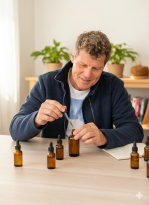
Content 50 ml
Recommended treatment
Free shipping on orders of more than £ 30.00
VAT included

Do you feel you're always doing the same things and not getting anywhere? It's common to feel stuck in a rut, treading water and just going through the motions.
The feeling can build up gradually, and you feel like you're just killing time rather than working towards a goal. You might not even notice at first that you're stagnating - here are some signs that you might be getting stuck in a rut:
If you recognise these signs, the first step is to work out what's causing your dissatisfaction. Not every rut is the same - you may be in a rut with your job or feeling bored in a relationship. Friendships, hobbies, your home and your health, can all cause you to feel dissatisfied.
Once you have understood the cause of your feelings, don't blame or criticise yourself. It can be all too easy to minimise the problem and trivialise your emotions. You have a right to feel the way you do - while things may seem OK to others, if you want more from life, it's time to make some changes!
Self-compassion is the key to mental well-being, so start by looking after yourself.
Are you getting enough sleep? Are you eating well and exercising? Do you spend time with people who can support you?
If something is missing, look for ways to care for yourself better. Looking after your well-being will give you the energy to move forward and feel excited about life again.
We're creatures of habit, and sometimes feeling stuck in a rut arises out of boredom. So try to change things up a bit - they don't have to be massive changes, just a few small steps to get you started. Here are a few ideas to add zest to your life:
Watch a new show, sign up for a class or walk a different way to work.
You will learn something new about those around you, and chatting with different people will expand your social circle.
Schedule some time to have fun doing something you love - a hobby, a sport or spending time with friends.
Be spontaneous, and don't be afraid of doing unexpected things.
Research has shown that spending time outside increases mental well-being. For example, walking can lower stress and break the pattern of ruminating on negative thoughts that can trigger depression. In addition, it's an excellent way to build regular exercise into your daily routine.
Studies also show that being outside in nature also boosts creativity. So the next time you feel stuck, go outdoors and pay attention to the world. Let go of negativity, relax and enjoy the beauty around you. You will return to your desk with renewed energy.
It's easy to feel life is unfulfilling when you're not looking forward to anything. Having a sense of purpose is a crucial ingredient for motivation. For example, long-term goals related to your relationships or job can give you a sense of purpose. And it doesn't have to be anything major - even planning a get-together at the weekend gives you something to look forward to and boosts your mood.
And research shows that having something to aim for builds self-control and willpower. Better resilience helps you to cope with stresses and challenges in everyday life while you look forward to future rewards.
Here are some ideas for giving yourself things you can look forward to:
You can look forward to existing events, such as Christmas or a football match. But you can also intentionally make plans for yourself. For example, schedule a day out with friends or a holiday to a new place. Create things you can anticipate and be excited about.
Small weekly or daily rewards, such as going to your favourite cafe at lunchtime or buying yourself some flowers, are great ways to build a sense of looking forward to the future.
Helping others is an excellent way to gain a sense of purpose and meaning in life. Focus on helping a loved one with a project, participate in political activism or volunteer with a local organisation to contribute to the community.
Whether you're dissatisfied with your job, your relationships, or the place you live, only you can take action to make things more exciting and lose that feeling of being stuck in a rut.
You probably already know why you feel unfulfilled and want more out of life. So start to make small changes, chipping away at whatever holds you back. Don't feel guilty; you have a right to get the most out of life. But only you can take action to fulfil your potential, regain your optimism and get your life fizzing again.
Sources:
https://www.royalcornwall.nhs.uk/services/pain/pain-management-service/how-can-i-start-to-prioritise-my-self-care/
https://www.psychalive.org/i-hate-my-life/
Created by Tom Vermeersch (bio)

Tom Vermeersch is a certified Psychologist and Bach flower expert with more than 30 years of experience.

12 easy ways to get people to like you
Have you ever noticed that some people are instantly likeable? Many people believe that people will only like you because of natural traits you're born with: good looks, talent and sociability. But this is a misconception. Getting people to like you is within your control, and it's all to do with self-belief, knowing yourself and being emotionally intelligent. Here's what to do to be more likeable.

Stop procrastinating right now and do something!
Read some tips to get the challenge you're thinking about out of the way. Now is the time to do something, you can start right now. Read on to know more!

Hiding a depression: find out if someone you know - or you yourself! - is doing this
It's not always easy to tell if someone has depression. While some signs such as sadness, pessimism and withdrawal from social interaction are easy to recognise, other symptoms may be less obvious. And some people are very good at hiding their depression - even from themselves!

What to do when the spark is fading
Why do you feel butterflies at the start of a new romance, and how can you keep the flame burning in a long term relationship as the spark starts to fade?

What makes it so hard to go back to work?
Millions of people furloughed for months are now being recalled to work. Others, who have been working from home throughout the lockdown, are returning to the office. And some jobs have simply disappeared: many people are facing redundancy and will soon have to cope with job hunting. Going back to work after an unprecedented length of time at home is quite a challenge.

Even the brightest minds have setbacks!
We all want to be successful but many of us find the path to achieving our dreams is blocked by our fear of failure. Whether you’re trying to lose weight, go backpacking around the world or start up a new business, you need to accept that you might fail many times over before you achieve success.

Tips to balance your negative aspects
Everyone is unique, even in their own bad habits or negative traits. Here are some tips to balance those negative traits in our new article!

Sometimes it’s hard to notice when we've become trapped in familiar routines. Take our quiz to find out if you’re stuck in a rut and what you can do about it.

5 tips to survive autumn healthily
We simply can’t avoid noticing the changes all around us. Autumn is here... Autumn is also called a transitional season. Slowly and steadily, it prepares us for the transition...

5 Signs of narcissistic perversion
Narcissism is a term we often see these days. But what does it mean? It's used to describe a person who is full of themselves or overly vain. However, it's not really about self-love.
Do you feel you're always doing the same things and not getting anywhere? It's common to feel stuck in a rut, treading water and just going through the motions.
The feeling can build up gradually, and you feel like you're just killing time rather than working towards a goal. You might not even notice at first that you're stagnating - here are some signs that you might be getting stuck in a rut:
If you recognise these signs, the first step is to work out what's causing your dissatisfaction. Not every rut is the same - you may be in a rut with your job or feeling bored in a relationship. Friendships, hobbies, your home and your health, can all cause you to feel dissatisfied.

Once you have understood the cause of your feelings, don't blame or criticise yourself. It can be all too easy to minimise the problem and trivialise your emotions. You have a right to feel the way you do - while things may seem OK to others, if you want more from life, it's time to make some changes!
Self-compassion is the key to mental well-being, so start by looking after yourself.
Are you getting enough sleep? Are you eating well and exercising? Do you spend time with people who can support you?
If something is missing, look for ways to care for yourself better. Looking after your well-being will give you the energy to move forward and feel excited about life again.
We're creatures of habit, and sometimes feeling stuck in a rut arises out of boredom. So try to change things up a bit - they don't have to be massive changes, just a few small steps to get you started. Here are a few ideas to add zest to your life:
Watch a new show, sign up for a class or walk a different way to work.
You will learn something new about those around you, and chatting with different people will expand your social circle.
Schedule some time to have fun doing something you love - a hobby, a sport or spending time with friends.
Be spontaneous, and don't be afraid of doing unexpected things.
Research has shown that spending time outside increases mental well-being. For example, walking can lower stress and break the pattern of ruminating on negative thoughts that can trigger depression. In addition, it's an excellent way to build regular exercise into your daily routine.
Studies also show that being outside in nature also boosts creativity. So the next time you feel stuck, go outdoors and pay attention to the world. Let go of negativity, relax and enjoy the beauty around you. You will return to your desk with renewed energy.
It's easy to feel life is unfulfilling when you're not looking forward to anything. Having a sense of purpose is a crucial ingredient for motivation. For example, long-term goals related to your relationships or job can give you a sense of purpose. And it doesn't have to be anything major - even planning a get-together at the weekend gives you something to look forward to and boosts your mood.
And research shows that having something to aim for builds self-control and willpower. Better resilience helps you to cope with stresses and challenges in everyday life while you look forward to future rewards.
Here are some ideas for giving yourself things you can look forward to:
You can look forward to existing events, such as Christmas or a football match. But you can also intentionally make plans for yourself. For example, schedule a day out with friends or a holiday to a new place. Create things you can anticipate and be excited about.
Small weekly or daily rewards, such as going to your favourite cafe at lunchtime or buying yourself some flowers, are great ways to build a sense of looking forward to the future.
Helping others is an excellent way to gain a sense of purpose and meaning in life. Focus on helping a loved one with a project, participate in political activism or volunteer with a local organisation to contribute to the community.
Whether you're dissatisfied with your job, your relationships, or the place you live, only you can take action to make things more exciting and lose that feeling of being stuck in a rut.
You probably already know why you feel unfulfilled and want more out of life. So start to make small changes, chipping away at whatever holds you back. Don't feel guilty; you have a right to get the most out of life. But only you can take action to fulfil your potential, regain your optimism and get your life fizzing again.
Sources:
https://www.royalcornwall.nhs.uk/services/pain/pain-management-service/how-can-i-start-to-prioritise-my-self-care/
https://www.psychalive.org/i-hate-my-life/
Have you ever noticed that some people are instantly likeable? Many people believe that people will only like you because of natural traits you're born with: good looks, talent and sociability. But this is a misconception. Getting people to like you is within your control, and it's all to do with self-belief, knowing yourself and being emotionally intelligent. Here's what to do to be more likeable.
Read some tips to get the challenge you're thinking about out of the way. Now is the time to do something, you can start right now. Read on to know more!
Read the complete article
It's not always easy to tell if someone has depression. While some signs such as sadness, pessimism and withdrawal from social interaction are easy to recognise, other symptoms may be less obvious. And some people are very good at hiding their depression - even from themselves!
Why do you feel butterflies at the start of a new romance, and how can you keep the flame burning in a long term relationship as the spark starts to fade?
Read the complete article
Millions of people furloughed for months are now being recalled to work. Others, who have been working from home throughout the lockdown, are returning to the office. And some jobs have simply disappeared: many people are facing redundancy and will soon have to cope with job hunting. Going back to work after an unprecedented length of time at home is quite a challenge.
We all want to be successful but many of us find the path to achieving our dreams is blocked by our fear of failure. Whether you’re trying to lose weight, go backpacking around the world or start up a new business, you need to accept that you might fail many times over before you achieve success.
Everyone is unique, even in their own bad habits or negative traits. Here are some tips to balance those negative traits in our new article!
Sometimes it’s hard to notice when we've become trapped in familiar routines. Take our quiz to find out if you’re stuck in a rut and what you can do about it.
Read the complete article
We simply can’t avoid noticing the changes all around us. Autumn is here... Autumn is also called a transitional season. Slowly and steadily, it prepares us for the transition...
Read the complete article
Narcissism is a term we often see these days. But what does it mean? It's used to describe a person who is full of themselves or overly vain. However, it's not really about self-love.
Bach Flowers are not medicinal but harmless plant extracts which are used to support health.
© 2026 Mariepure - Webdesign Publi4u


Are you unsure which Bach flowers can help you? Contact Tom for free advice.